.svg)
The Little Victories That Mean Everything in Disability Care | NDIS Services Brisbane

Progress in disability care is often measured through plans, reports, and long-term goals. Yet many of the moments that matter most happen quietly during ordinary parts of the day. A person prepares a meal independently for the first time. Someone attends a community activity with confidence after months of hesitation. A new routine finally begins to feel manageable instead of overwhelming.
These moments may appear small from the outside, but they carry deep significance for the people living them. They reflect effort, consistency, trust, and support that has been built over time. Across Brisbane, many disability support providers and ndis services focus not only on major outcomes but also on the steady progress that shapes everyday life.
Why Small Milestones Matter in Disability Support
Large goals are important, but long-term independence is usually built through smaller achievements repeated consistently over time. Daily routines, communication skills, emotional regulation, and community participation often develop gradually.
In many cases, these milestones represent far more than the task itself. A person using public transport independently may also be building confidence, reducing anxiety, and increasing social connection at the same time. Quality ndis support recognises this broader impact and values progress in all its forms.
Support workers and carers often witness these changes closely. They understand that growth is not always dramatic or immediate. Sometimes the most meaningful progress happens through persistence and stability, as described in the role of an NDIS support worker in everyday life.
How Disability Support Providers Help Build Confidence
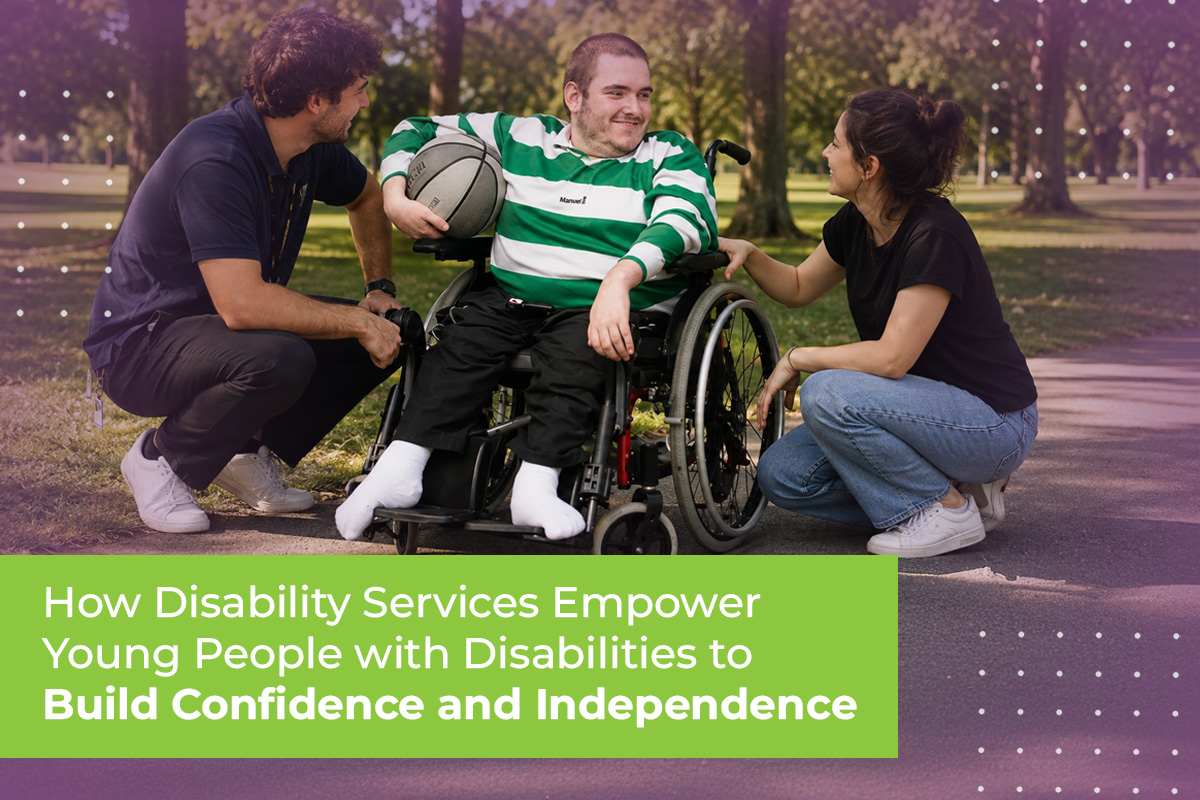
Confidence develops when people feel supported without losing control over their own decisions. Experienced disability service providers understand the importance of balancing assistance with independence.
This may involve helping someone establish routines, practise daily living skills, or participate more comfortably in social and community settings. Through consistent support, individuals begin to trust their own abilities and take greater ownership of their daily lives.
Many individual support disability programs focus on practical goals that improve confidence over time, including:
- Managing personal routines independently
- Developing communication and social skills
- Participating in community activities
- Building confidence in public settings
- Creating stable daily structures
These outcomes strengthen both independence and emotional wellbeing.
What Does Progress Actually Look Like in Everyday Life?
Progress looks different for every person. For one individual, it may involve attending appointments independently. For another, it may mean feeling comfortable enough to join a conversation or try a new environment.
In disability care, progress often appears through consistency rather than speed. A routine that once felt stressful becomes manageable. A person begins expressing their needs more clearly. Daily tasks require less prompting and create less frustration. Some of this progress is invisible from the outside, much like the daily effort behind invisible disabilities.
These moments change how people experience their lives. They also strengthen relationships between participants, families, and support teams because trust grows through visible progress.
The Role of NDIS Services in Brisbane
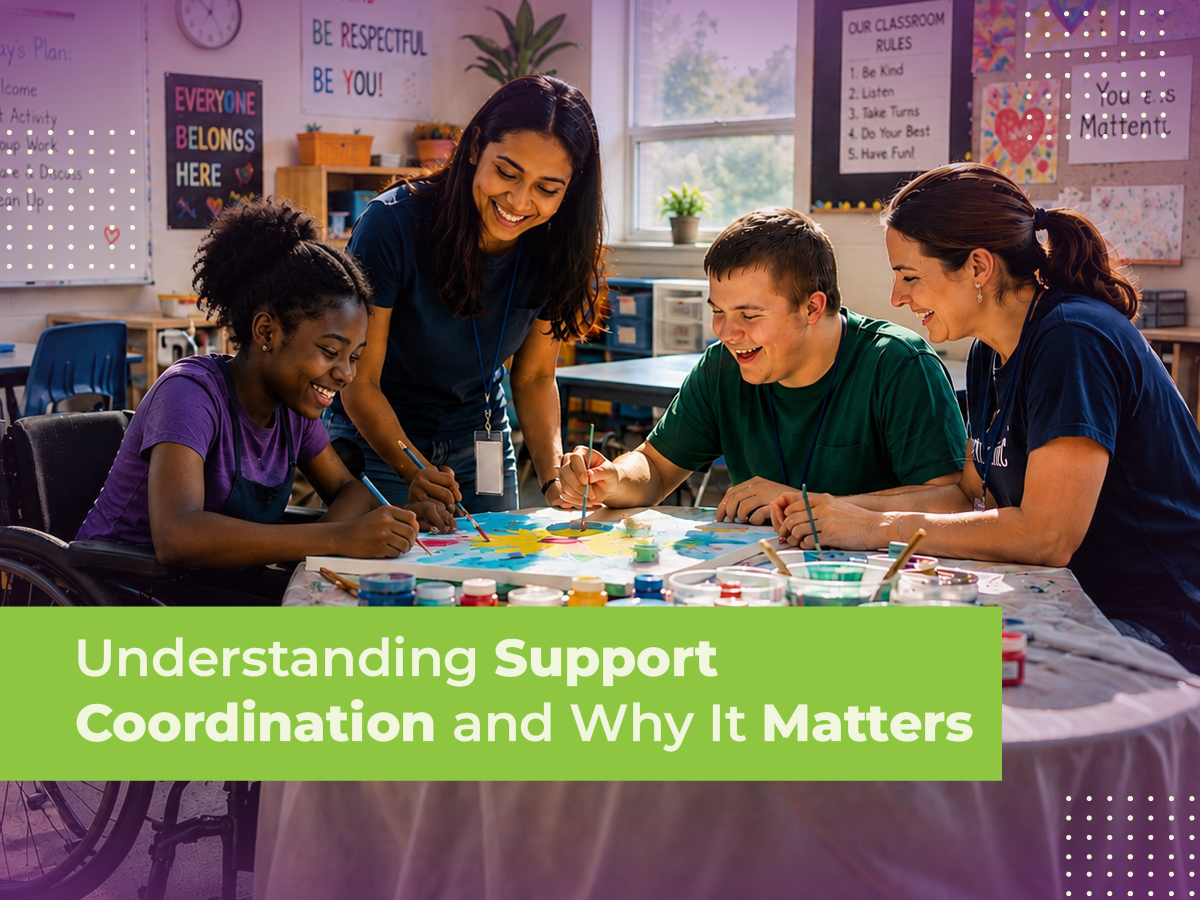
Across Brisbane, ndis services support individuals through personalised plans designed around daily living, community participation, and long-term wellbeing. Effective support considers both practical needs and emotional stability. Support coordination often helps hold those pieces together.
Many regional disability support services within Brisbane communities work closely with participants and families to create environments that feel structured, respectful, and sustainable. This local understanding helps services respond more effectively to individual circumstances and goals.
Through consistent planning and support, people are able to build routines that support greater independence and participation over time.
Creating Care That Recognises the Whole Person
Good disability care extends beyond completing tasks. It involves understanding how a person experiences their environment, what motivates them, and what challenges affect their day-to-day life.
Strong disability support providers take the time to understand communication styles, sensory needs, emotional wellbeing, and personal goals. This is also why culturally inclusive support matters, allowing support to feel collaborative rather than clinical.
When individuals feel understood, they are more likely to engage confidently with support systems and participate fully in their communities.
How National Disability Services Influence Better Care
Organisations connected to national disability services continue to shape standards and best practices across the disability sector. Their work supports training, service quality, and improved approaches to participant care, alongside the rights outlined in Australian disability laws.
This broader framework helps providers across Brisbane strengthen how support is delivered in homes, workplaces, community programs, and everyday environments.
The Importance of Recognising Everyday Progress
The most important victories in disability care are often deeply personal. They are built through patience, routine, and support that respects the individual behind each goal. Recognising them is part of breaking stereotypes about ability.
By recognising these moments, communities and service providers create a culture where progress is understood in realistic and meaningful ways. Through thoughtful ndis support, responsive care, and inclusive environments, small victories continue to build stronger and more independent lives every day. Get in touch with CALDS to talk about what support could look like for you.