.svg)
How Disability Services Empower Young People with Disabilities to Build Confidence and Independence
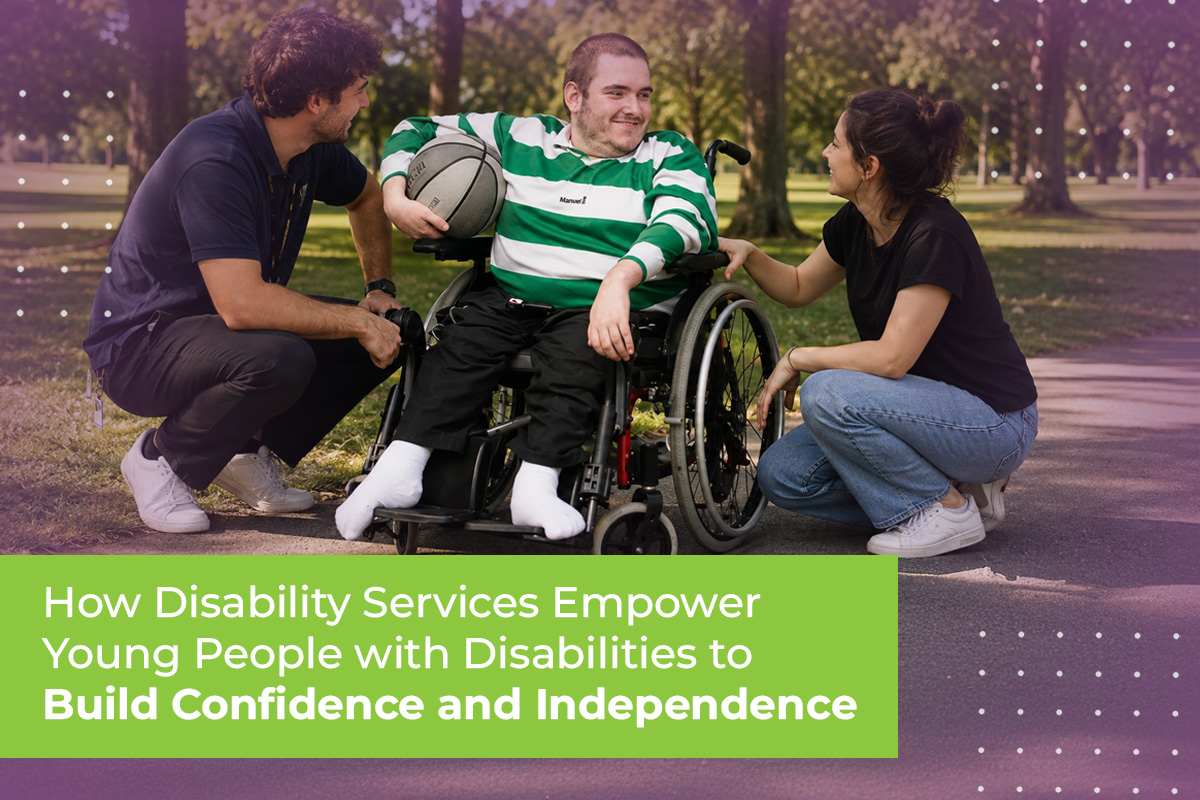
Growing up is not just about becoming independent; it is about having the confidence to believe that your choices, opinions and goals matter. For young people with disabilities, meaningful disability services can create space for them to speak up, try things for themselves and take an active role in decisions that affect their lives. Rather than focusing on what they cannot do, disability service providers can help them recognise their strengths, take healthy risks, learn from mistakes and discover what they are capable of. This sense of ownership can gradually turn support into empowerment, helping young people feel more confident in shaping their own future.
Empowerment also means giving young people the freedom to take the lead, even when their choices may not always be the easiest ones. With the right disability support, they can set personal goals, express their preferences and learn through their own experiences instead of having decisions made for them. As they take on more responsibility, they can develop skills such as problem-solving, communication and self-advocacy. Over time, these experiences can help young people move from simply receiving support to becoming active participants in their own lives.
What Does Independence Really Mean for Young People with Disabilities?
Independence and receiving support are not opposites. For young people with disabilities, being independent does not mean having to manage everything alone. It can mean knowing when to ask for help, making personal choices and having the confidence to decide how that support should work for them. The right disability support can provide assistance without taking away control, allowing young people to remain active in decisions about their daily lives and future.
A disability service provider can support independence by working alongside a young person rather than taking over. As their skills and confidence develop, the type or level of support can change to match their needs. This creates a balance where young people can rely on support when necessary while still building the ability, confidence and freedom to direct their own lives.
How Disability Services Help Build Confidence Through Small Everyday Wins
Small everyday achievements can develop skills that extend far beyond the moment in which they are learned. For example, learning to prepare a meal is not only about cooking, it can help a young person practise planning, following steps, managing time and taking responsibility, skills that can later support independent living, education or employment. Similarly, learning to use public transport can build confidence in planning a journey, navigating unfamiliar places and managing unexpected situations, which can make it easier to participate in work, education and social activities.
Disability services can help young people recognise these connections by turning everyday activities into opportunities for broader skill development. A young person who learns to contribute to household responsibilities may gradually build the organisation, communication and reliability needed in other areas of life. With appropriate guidance and opportunities to practise, individual skills can become building blocks for larger goals, helping young people move towards greater participation, responsibility and independence.
How Disability Service Providers Help Young People Make Their Own Choices
Having a voice in decisions that affect their lives is an important part of building independence. Disability service provider can support young people by giving them opportunities to make choices, express their preferences and take part in decisions that matter to them.
For example: A young person receiving disability support may be planning their weekly activities. Instead of deciding everything for them, a disability service provider can offer different options and allow them to choose what they would like to do.
- Choosing activities
- Making daily decisions
- Setting personal goals
- Expressing preferences
- Building confidence
This approach allows disability service providers to support young people without taking away their independence, helping them gradually develop the skills and confidence needed to make decisions for themselves.
Disability Support Should Create Opportunities for Growth While Preserving Choice and Control
Effective disability support should create opportunities for young people to grow while allowing them to maintain choice and control over their own lives. A disability service provider can encourage young people to try new experiences, develop practical skills and make their own decisions rather than doing everything for them.
The right support can also adapt as a young person develops. A disability service provider may offer more guidance when they are learning a new skill and gradually reduce assistance as their confidence and abilities improve. This helps young people strengthen skills such as communication, decision-making, problem-solving and managing everyday tasks.
Over time, personalised disability support can help young people recognise their strengths, build confidence and become more independent. The focus should be on providing the right support at the right time while ensuring the young person remains involved in decisions about their goals and future.
How Disability Service Providers Can Encourage Independence
Disability service providers can play an important role in helping young people develop confidence and become more independent in their everyday lives. Effective support should be personalised to the individual rather than following a one-size-fits-all approach. Understanding a young person’s interests, strengths, communication style and personal goals allows support to be provided in a way that respects their choices and encourages participation.
Good disability support should help young people develop their own abilities instead of creating unnecessary dependence. For example, rather than completing a task for them, a support worker can guide them through the process and gradually step back as their confidence grows. This approach gives young people opportunities to learn, make decisions, solve problems and recognise what they are capable of while still having support available when they need it.
How Disability Service Provider Creates a Future Built Around Their Goals
Every young person should have the opportunity to imagine a future based on their interests, ambitions and personal goals. For young people with disabilities, the focus should extend beyond the support they need today and include what they want to achieve tomorrow. This could mean pursuing education, finding employment, developing hobbies, building meaningful relationships, participating in community activities or simply becoming more confident in making everyday choices.
Disability services can support this journey by helping young people identify their goals and take realistic steps towards achieving them. The right disability service providers can encourage young people to explore opportunities, develop relevant skills and overcome barriers without allowing disability to define what they can achieve. When support is built around their aspirations, young people are given the confidence and opportunity to create a future that reflects who they are and what they want from life.
Conclusion
Empowering young people with disabilities starts with recognising their abilities, respecting their choices and providing opportunities to grow. The right disability services can help young people develop practical life skills, build relationships, explore their interests and become more confident in making decisions. With supportive disability service providers and an approach centred around individual goals, young people can take meaningful steps towards greater confidence and independence.