.svg)
How Regional Disability Support Services Are Improving Lives | NDIS Support Brisbane
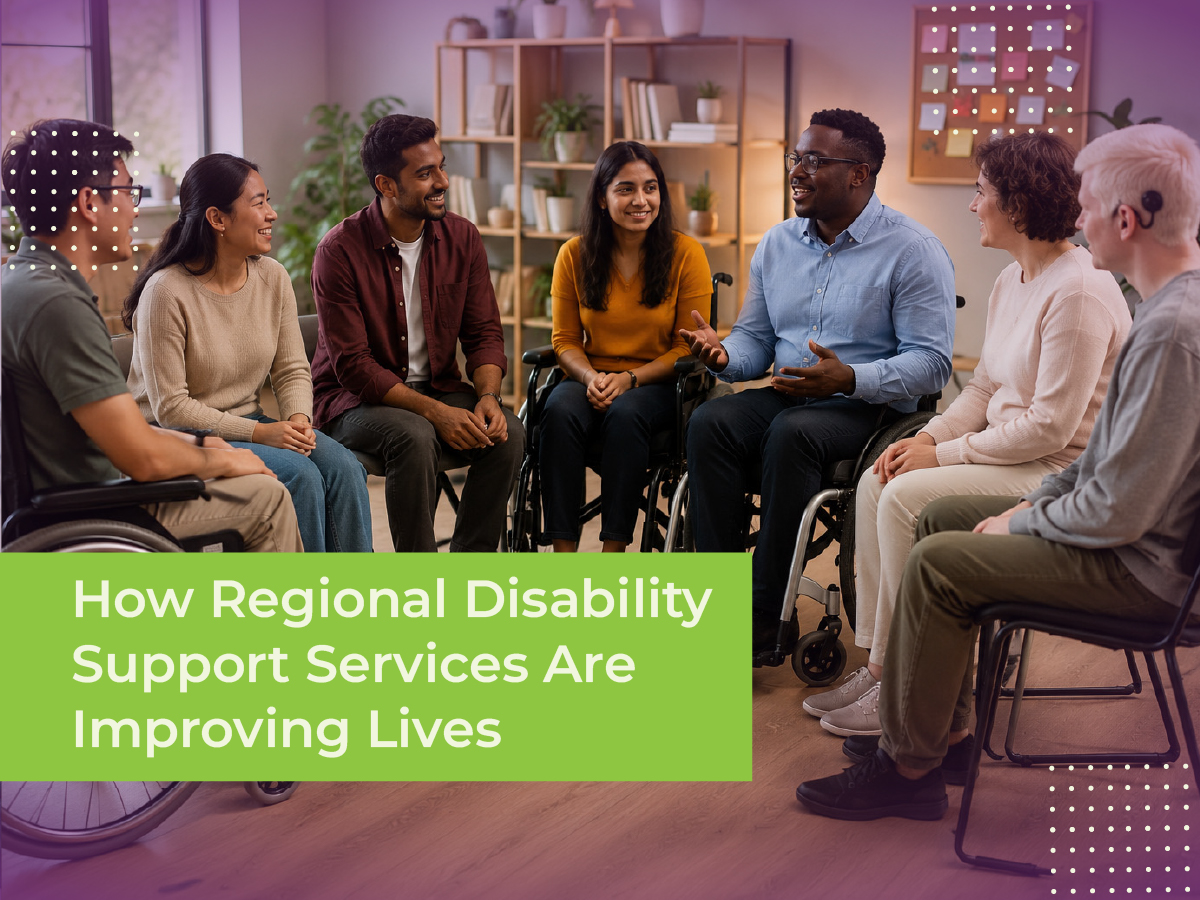
In regional areas, access to disability support often shapes how people experience daily life. Distance, transport, and service availability can influence independence, community participation, and access to essential care. Regional disability support services exist to reduce these barriers and create consistent pathways to support for individuals and families.
In Brisbane and surrounding regional communities, ndis services and disability support providers play a central role in delivering care that is practical, local, and responsive. Their work connects individuals to support workers, community programs, and structured assistance that helps build independence over time.
What Are Regional Disability Support Services?
Regional disability support services refer to support systems designed to assist individuals living outside major metropolitan centres or within broader suburban and regional zones. These services focus on accessibility, flexibility, and continuity of care.
They often include a combination of ndis support, community-based programs, and in-home assistance. The goal is to ensure that people receive consistent care regardless of location, while also reducing the need for long travel or disrupted routines.
Why Regional Support Matters in Daily Life
Access to local support directly affects independence and wellbeing. When services are available nearby, individuals can engage more regularly with support workers, attend community activities, and maintain stable routines.
In Brisbane’s regional communities, regional disability support services help reduce delays in care and improve consistency. This stability supports long-term development in areas such as communication, daily living skills, and social participation.
Key benefits include:
- Faster access to support workers and services
- Reduced travel time and transport barriers
- Stronger connection to local community programs
- More consistent routine-based care
- Better coordination between families and providers
These factors create a more stable support environment for individuals with disabilities.
How NDIS Services Support Regional Communities
The ndis services framework plays a critical role in funding and coordinating support across regional areas. It allows individuals to access tailored plans that reflect their personal needs, goals, and circumstances. Support coordination is often the mechanism that turns a plan into working, connected services.
Within Brisbane and surrounding regions, ndis support is often delivered through local providers who understand community infrastructure and available resources. This local knowledge improves how support is delivered in everyday environments such as homes, workplaces, and social settings.
The Role of Disability Support Providers in Regional Care
Disability support providers are responsible for delivering hands-on care and coordination. In regional areas, their role becomes even more important due to distance and limited service density.
These providers often support individuals through:
- Daily personal care and routine assistance
- Community access and transport support
- Skill development and independence training
- Emotional and social support
- Coordination with families and health professionals
By maintaining consistent relationships with participants, providers help build trust and long-term stability. Much of this work is carried out day to day by NDIS support workers.
Individual Support and Daily Independence
Personalised care is a core part of regional disability support. Through individual support disability programs, people receive assistance tailored to their specific goals and routines.
This may include help with morning routines, meal preparation, medication reminders, or community participation. The focus remains on building independence while ensuring safety and comfort.
How Regional Services Strengthen Community Connection
Community connection plays a major role in wellbeing. Regional disability support services often help individuals access local events, social groups, education programs, and recreational activities.
These opportunities reduce isolation and create stronger social networks. In Brisbane’s regional areas, support workers help individuals engage with their communities in ways that feel comfortable and sustainable — a practical example of what true inclusion looks like.
Why Local Knowledge Improves Support Quality
Local providers understand transport systems, community resources, and regional challenges more closely than larger centralised services. This knowledge improves how support is planned and delivered.
Support is also stronger when it reflects the participant’s background and language. This is where culturally inclusive disability support makes a measurable difference. Disability service providers in regional areas often build long-term relationships with participants, which allows for more personalised and responsive care over time.
The Role of National Disability Services in Regional Growth
Organisations connected to national disability services help maintain standards, training, and consistency across all regions. Their frameworks ensure that regional providers deliver care that aligns with national best practices, supported by the protections set out in Australian disability law.
This structure supports quality improvement while still allowing flexibility for local needs.
Building Stronger Futures Through Regional Support
Regional disability support services continue to improve lives by making care more accessible, consistent, and personalised. In Brisbane, this support system helps individuals build independence, strengthen community ties, and access opportunities that support long-term wellbeing.
When services are local, connected, and responsive, people are able to live with greater stability and confidence. Start your journey with CALDS to find support close to home.