.svg)
Happiness Without Barriers: What True Inclusion Looks Like
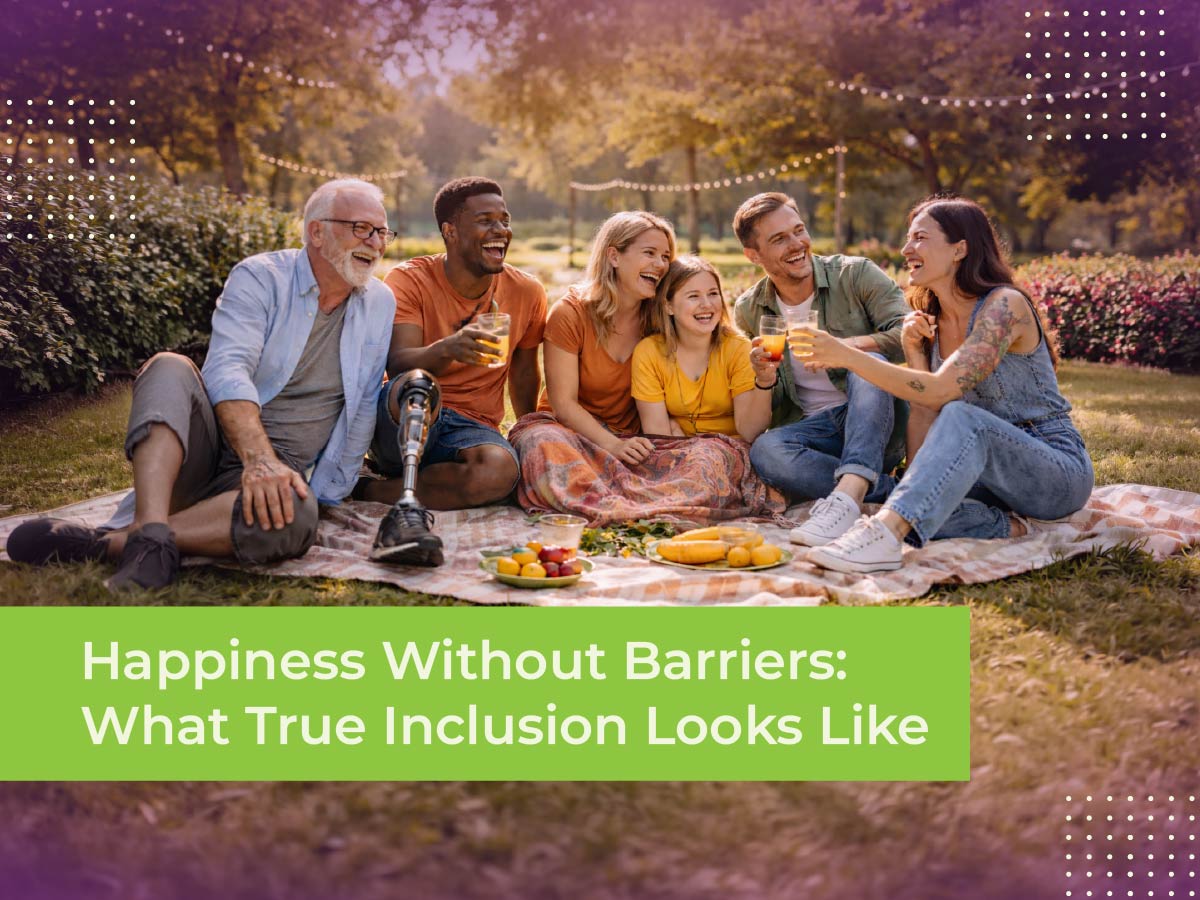
Inclusion is often discussed in policies, funding models, and organisational strategies, yet its real meaning appears in the ordinary moments of daily life. It is visible when people move through public spaces without hesitation, when services respond thoughtfully to different needs, and when communities recognise that everyone deserves to participate fully.
For people with disabilities, happiness grows in environments where access and respect are present from the beginning. It grows where systems are designed to support participation rather than requiring individuals to constantly adjust themselves. Across Brisbane, structures such as ndis services, community organisations, and dedicated support networks play an important role in shaping these environments. Their work contributes to a society where independence, dignity, and belonging are part of everyday experience.
Inclusion Begins With Access
Access is the foundation of inclusion. Streets, buildings, digital platforms, workplaces, and public services all influence whether people can take part in daily activities with confidence. When environments are designed with a wide range of abilities in mind, participation becomes natural rather than complicated.
Across Brisbane, many disability support providers work closely with communities to ensure that services are accessible and responsive. Their role extends beyond practical assistance. They help individuals navigate systems, access resources, and connect with opportunities that support long-term independence. When these supports function well, people are able to focus on their goals and interests rather than on the barriers around them. This is closely connected to creating inclusive spaces for individuals with autism, where thoughtful environmental design plays an equally critical role.
Participation in Everyday Life
Inclusion is not only about entering a space. It is about being able to participate meaningfully once inside it. A workplace becomes inclusive when employees can contribute their ideas and skills without unnecessary obstacles. A classroom becomes inclusive when teaching methods recognise different learning styles. Social gatherings become inclusive when venues and activities consider accessibility from the beginning.
Support systems such as ndis support help many people with disability maintain this level of participation. Through coordinated planning and flexible services, individuals are able to engage with work, education, recreation, and community life in ways that align with their personal goals.
The Role of Support in Independent Living
For many individuals, independent living is strengthened through consistent assistance that respects choice and autonomy. Support may involve help with daily tasks, guidance in navigating public systems, or assistance with building new skills.
Programs focused on individual support disability allow people to develop routines that reflect their own preferences and priorities. This type of support recognises that independence does not mean managing everything alone. Instead, it means having reliable assistance that enables people to live according to their own decisions.
Strengthening Communities Through Local Services
Inclusion also depends on the strength of local networks. In many parts of Australia, particularly outside major cities, regional disability support services play a crucial role in ensuring that people have access to the same opportunities and resources available elsewhere.
These services often understand the specific needs of their communities. They connect individuals with health professionals, employment opportunities, transport options, and social networks. By strengthening these connections, local services help create communities where participation is realistic and sustainable. Supporting mental health alongside physical health is a core part of what makes these local support networks truly effective.
Representation and Leadership in the Disability Sector
Organisations across the disability sector continue to advocate for inclusive policy, improved services, and greater representation. National bodies such as national disability services bring together organisations, practitioners, and advocates to strengthen standards and share knowledge across the country.
At the same time, disability service providers across Brisbane continue to refine how support is delivered, focusing on respect, flexibility, and collaboration. Women with disabilities redefining power and leadership are central to this work, ensuring that lived experience guides the evolution of services and inclusion practices across the sector.
The Meaning of Happiness Without Barriers
Happiness without barriers is not defined by the absence of challenge. It is defined by the presence of opportunity. It appears when people have access to education, work, creativity, and relationships without facing unnecessary restrictions.
Inclusive communities recognise that disability is part of human diversity. They create systems and spaces that welcome this diversity rather than treating it as an exception. Through thoughtful planning, strong community networks, and responsive support systems, a society can move closer to genuine inclusion.
When barriers are reduced and participation becomes possible for everyone, happiness grows naturally through dignity, connection, and shared experience. Get started with CALDS today and take the first step toward a more supported, independent life.